Your pickup truck is built to work hard, but even the toughest vehicles have a limit. Overloading your truck beyond its weight capacity is one of the most common causes of premature wear, handling issues, and brake failure. The problem is, many drivers don’t realize their truck is overloaded until permanent damage has already been done.
Knowing the warning signs and how to address them is essential to avoid expensive repairs and to keep you, your cargo, and everyone else on the road safe.
In this guide, we list key signs your pickup truck is overloaded and the steps you can take to fix the issue before it turns into a costly or dangerous problem.
Signs your pickup truck is overloaded:
Tips to avoid overloading your truck:
How to Tell if Your Pickup Truck is Overloaded
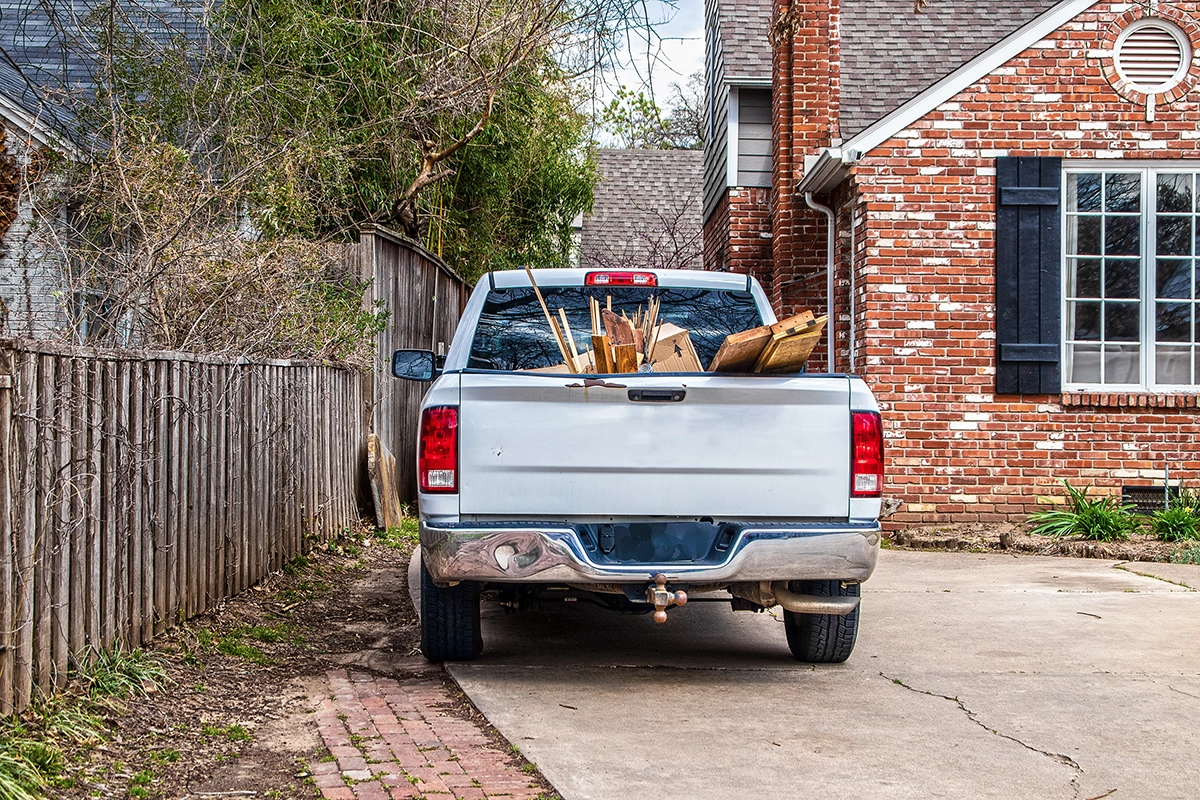
An overloaded pickup truck is not only less efficient, but also a danger on the road. Excess weight makes a vehicle harder to control and strains critical components, increasing the risk of tire blowouts, brake failure, and other serious problems.
Whether you’re hauling landscaping supplies, construction materials, or tools for a weekend project, knowing how to tell if your truck is overloaded is essential. Below are some of the most common signs that your truck is carrying more weight than it should.
1. Bulging Tires
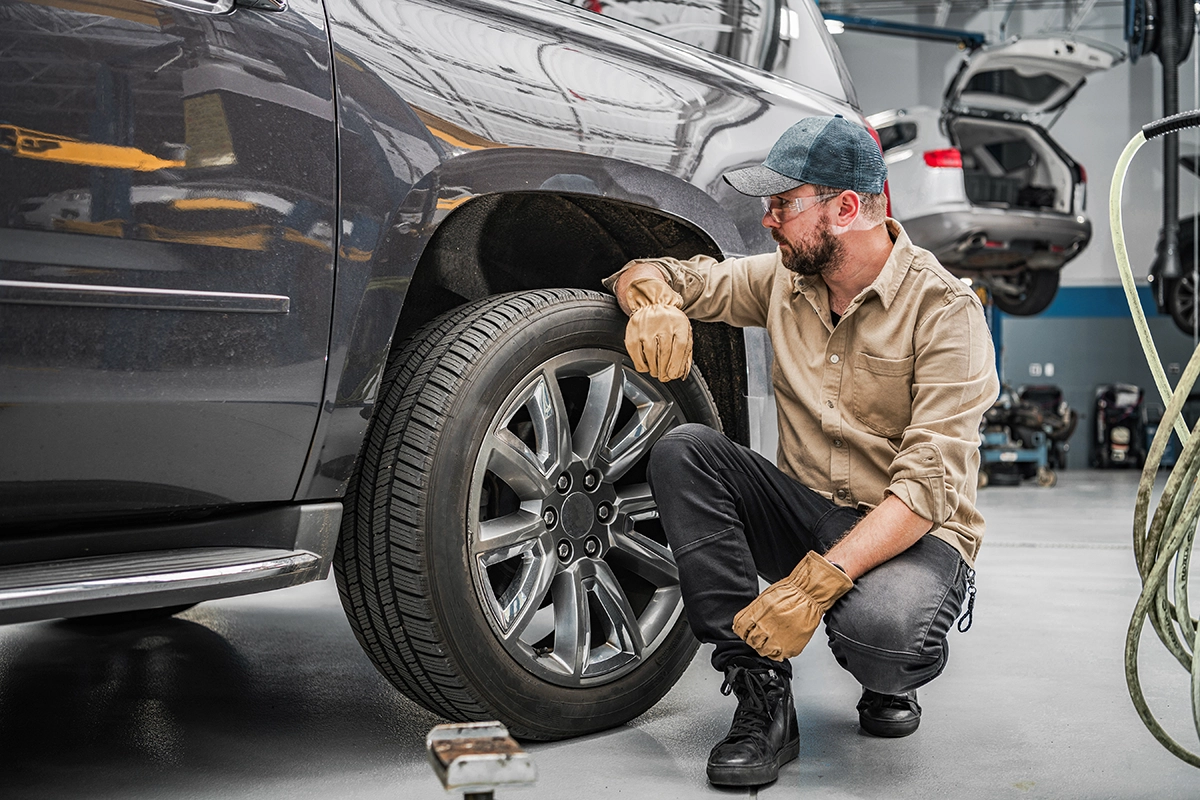
Your tires are one of the first places where overloading shows up. If your truck is carrying more than it should, the excess weight puts intense pressure on the tires, causing the sidewalls to bulge outward. This is a clear indication that the tires are under more strain than they were built for.
Overloaded tires tend to generate more heat and wear out faster, which can shorten their lifespan and compromise overall vehicle safety. This can also cause handling difficulties and dramatically raise the chances of a blowout.
If you’re worried you might be overloading your truck, inspect the tires. If they look visibly lower or misshapen when the truck is full, you might be asking them to handle more weight than they’re built to bear.
2. Steering and Handling Difficulties
If your truck feels sluggish, sways to one side, or is difficult to handle, this could be a sign you are hauling excess weight. Overloading shifts your truck’s center of gravity and makes it harder to control, which is especially dangerous on highways or winding roads that require quick steering adjustments.
If your truck doesn’t feel like it’s responding the way it normally does, it’s time to reconsider what you’re hauling and how you’re doing it.
3. Braking Problems
An overloaded truck takes much longer to stop due to the excess weight. If you find yourself braking earlier or needing more distance to stop, your cargo might be overpowering your braking system.
Regardless of cause, any kind of breaking problems should never be ignored, as it puts you and everyone else you’re sharing the road with at risk.
4. Difficulty Accelerating
Another common sign your pickup truck may be overloaded is sluggish acceleration. You may notice that your truck feels slower than usual when pulling away from a stop, merging onto highways, or climbing hills.
When your vehicle is carrying too much weight, the engine has to work significantly harder to start moving. This can also put additional stress on your engine, transmission, and drivetrain components.
Over time, this can cause overheating, reduced fuel efficiency, long-term engine wear, and safety risks on the road.
5. Sagging or Squeaky Suspension System
Your truck’s suspension system is designed to handle a specific amount of weight, and overloading it can cause immediate and noticeable problems.
One of the most obvious signs is sagging. If your truck sits lower than usual, especially in the rear, it may be carrying too much weight. You might also notice a squeaking or other kind of noise when turning, braking, or going over a bump in the road.
An overloaded suspension can compromise handling, braking effectiveness, and accelerate wear on your shocks, struts, and other critical components. Left unchecked, this can lead to costly repairs and unsafe driving conditions.
Tips to Avoid Overloading Your Pickup Truck
Preventing overload keeps your truck in good shape while also keeping you and everyone else on the road safe. By staying mindful of weight limits and following a few simple strategies, you can avoid the stress, damage, and risks that come with carrying too much cargo.
Below are some practical tips and strategies to avoid overloading your pickup truck.
Verify Payload Capacity
One of the first things you should do is verify your truck’s payload capacity. You can usually find this in the owner’s manual or on the door jamb label on the driver’s side.
You should never exceed the payload rating specified by the manufacturer.
Distribute Weight Evenly
Maintaining an even weight distribution in your truck is essential for a safe, steady ride. Even if you’re staying under your truck’s maximum payload capacity, uneven distribution can cause handling issues, increased tire wear, and extra suspension strain.
Ways to distribute weight evenly in a truck include adding things like:
- Truck bed toolbox: a crossover toolbox like the Weather Guard ® 1KEY Ultralock sits across the front of the bed, positioning heavier gear closer to the cab and keeping weight centered instead of piled in the back.
- Truck racks: truck racks like the Thule Xsporter Pro let you store bulkier items like lumber or ladders up and off the bed floor. This spreads the load more evenly across the truck rather than concentrating it in one area.
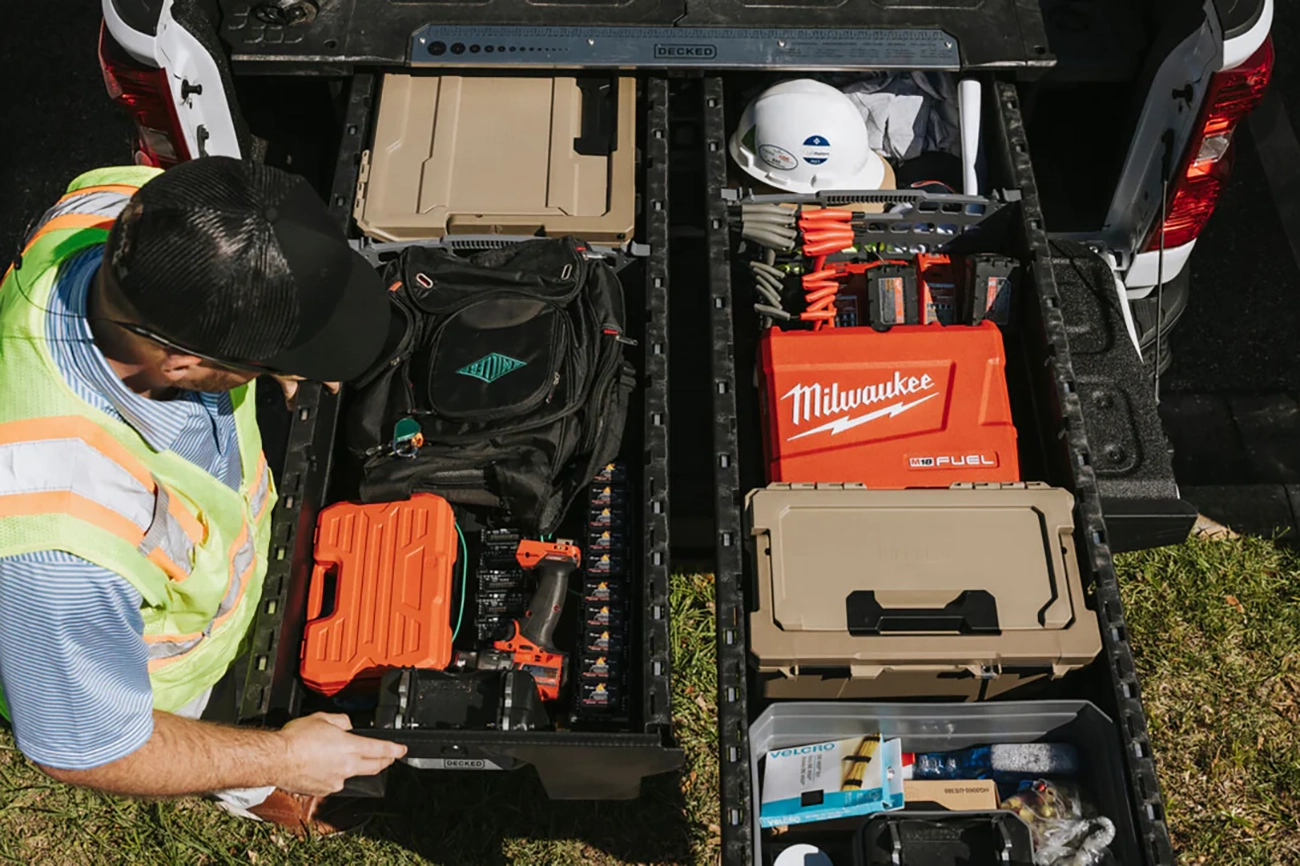
- Bed slides & drawer units: the DECKED Cargoglide and drawer units keep your gear organized in fixed positions, preventing items from shifting around and throwing off your truck’s center of gravity while you drive.
- Camper shells: a truck cap like the RSI SmartCap EVO-c gives you more secure, usable storage opportunities for better weight distribution throughout the bed.
With your gear organized and spread out evenly, your truck can become much safer, less prone to premature wear, and easier to handle.
Remove Unnecessary Equipment
Sometimes the easiest way to prevent overloading is simply to lighten the load. With so much space in that truck bed, it’s easy to let your vehicle become a storage unit on wheels. But every piece of gear you’re not actively using is putting more strain on your truck.
Whether you’re going on an overlanding trip or heading to a job site, it’s important to take inventory of what’s in your vehicle and remove anything that isn’t essential. Rather than leaving seasonal or rarely used equipment in the truck bed, store it at home or in a garage.
By trimming down unnecessary weight, you reduce strain on your suspension, brakes, and tires, improve fuel efficiency, and make your truck easier and safer to drive.
Use a Trailer
If you’re consistently hauling gear that you can’t afford to go without, you might benefit from investing in a trailer. Towing with a properly rated trailer is one of the simplest ways to maximize your payload capacity and prevent overloading your pickup.
A trailer offers many benefits to avoid truck overload, including:
- Offloads excess weight from your truck
- Keeps your payload within safe limits without leaving gear behind
- Helps spread out weight to keep your truck balanced
- Gives you a flexible, safe, and secure way to haul bulkier items
While you still need to keep towing capacity in check, trailers are a convenient solution for reducing excess strain on your vehicle. At Campway’s, we carry a wide selection of trailers built for both commercial and recreational use, including flatbed, utility box, enclosed, gooseneck, and dump trailers. So no matter what you’re hauling, there’s an option that fits your needs.
Install an Air Bag Suspension Kit
If your truck frequently carries heavy loads, an air bag suspension kit is one of the best upgrades for addressing truck overload.
Truck airbags, also called air springs, are rubber or polyurethane bags filled with pressurized air. They attach to your existing suspension to help it better absorb road shocks and vibrations.
While airbags don’t increase payload capacity, they do provide extra support to your existing suspension system and help your truck manage heavy loads more effectively by keeping it level and more stable. This reduces strain and improves handling for a smoother, safer ride.
Outfit Your Truck to Work as Hard as You Do with Campway’s
Overloading your truck is easier to do than most people realize, and it can cause expensive damage or unsafe driving conditions. But with the right upgrades and a few smart habits, keeping your truck within its payload limits is even easier.
At Campway’s, we carry everything you need to haul smarter, safer, and stronger. Our knowledgeable team will help you find the best setup for your truck, needs, and budget. We also offer professional installation services for nearly every accessory we sell.
Don’t wait for problems to arise to take action. Find a Campway’s location near you today to equip your truck for the long haul.