Your fleet is the backbone of your business, carrying equipment and crews to job sites day after day. But every mile, load, and job site can take a toll on even the toughest vehicles over time. The good news is that most premature wear on pickup trucks and work vans is preventable with the right habits and upfits.
In this guide, we list practical strategies to help you extend the lifespan of your commercial fleet vehicles and protect your investment for the long haul.
How to extend the life of your fleet vehicles:
1. Keep Up with Routine Maintenance
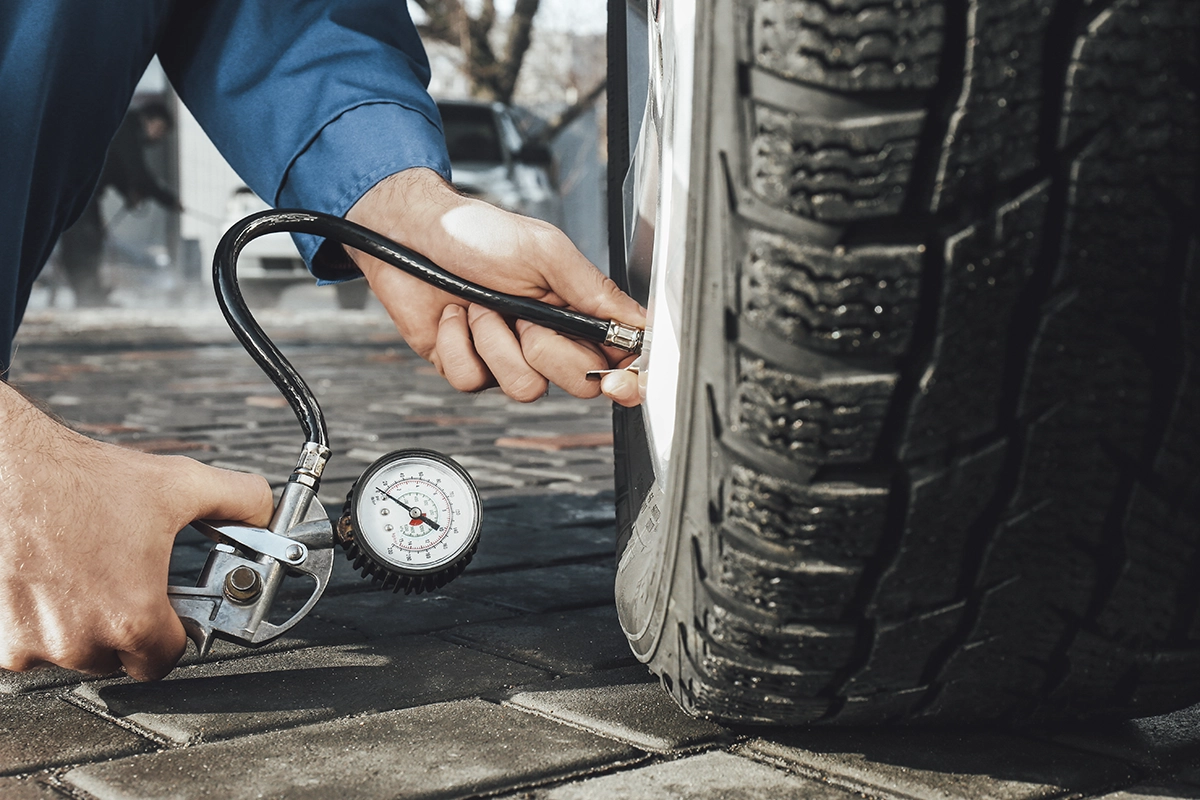
Sticking to a proactive maintenance schedule ensures you get the most out of your commercial fleet. Reacting to problems as they arise is typically more expensive than preventing them, thanks to emergency repair rates, replacement parts, and downtime that stalls revenue.
A proper preventative maintenance schedule includes:
By staying on top of regular care and maintenance, you can plan for repairs and replacements on your own schedule, instead of responding to costly surprise breakdowns that put operations at a standstill.
2. Conduct Regular Fleet Vehicle Inspections

For frequently used commercial vehicles, even small problems can quickly become major mechanical failures. Vehicles that seem to be running fine can have internal issues that worsen the longer they go unaddressed, often escalating to serious damage and costly repairs.
Daily or pre-trip vehicle inspections help catch these issues early so they can get fixed in a timely manner. Some key components to check include:
Encourage drivers to report any unusual sounds, warning lights, performance changes, or handling issues immediately, so they can get addressed before becoming a major problem.
3. Use Quality Parts and Fluids
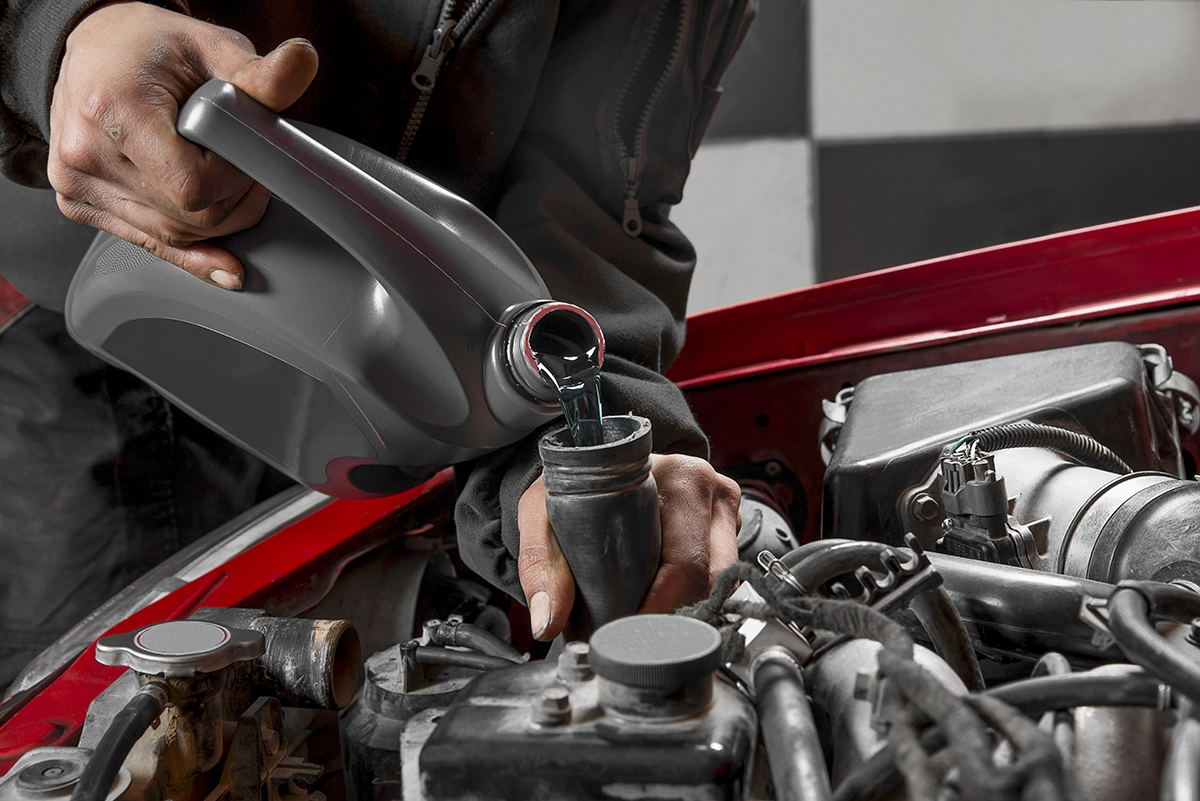
Cutting costs with low-quality parts and fluids might save money upfront, but it often leads to more frequent breakdowns and expensive repairs down the road. Substandard components wear out faster and can even cause damage to the systems you want them to support.
Using high-quality, manufacturer-approved parts helps ensure that every repair extends the vehicle’s lifespan instead of cutting it back.
Follow recommended specifications for:
Prioritizing proper parts and fluids keeps critical systems functioning correctly, helping your fleet vehicles remain efficient and reliable as long as they are intended to.
4. Train Drivers on Proper Vehicle Operation

Even the best upfits and maintenance schedules can only do so much if improper driving habits are at play. Harsh braking, aggressive acceleration, and rough handling all put extra strain on a vehicle’s brakes, tires, transmission, and suspension, shortening its lifespan regardless of how well it’s outfitted.
Below are some mindful driving habits to encourage across your fleet:
- Gradual Braking and Acceleration: Smooth driving reduces wear on brake pads, tires, and other components, compared to hard stops and starts that take a toll over time.
- Steady Speeds: Keeping consistent speeds whenever possible helps reduce strain on the engine and transmission.
- Take Extra Care Around Corners: Taking turns at a controlled, steady speed helps protect tires and suspension components from uneven wear.
- Strategic Route Planning: Plan out routes ahead of time to avoid rough terrain, potholes, and unnecessary off-road driving to help prevent undercarriage and suspension damage.
- Reduce Excessive Idling: Idling is when a vehicle is stationary while the engine is running, which can cause premature wear without putting in a single mile for your business. Establish clear idling policies for your team to limit unnecessary engine hours.
- Use Backup Cameras and Sensors: One of the best ways to prevent collisions is with backup cameras and sensors. According to a report by the Insurance Institute for Highway Safety (IIHS), rearview cameras reduced backup accidents by 17%.1
To implement these best practices, provide all drivers with regular training and refreshers to set clear expectations from day one. This reinforces proper driving habits that reduce strain on fleet vehicles and help them last longer.
5. Invest in Fleet Accessories and Upgrades
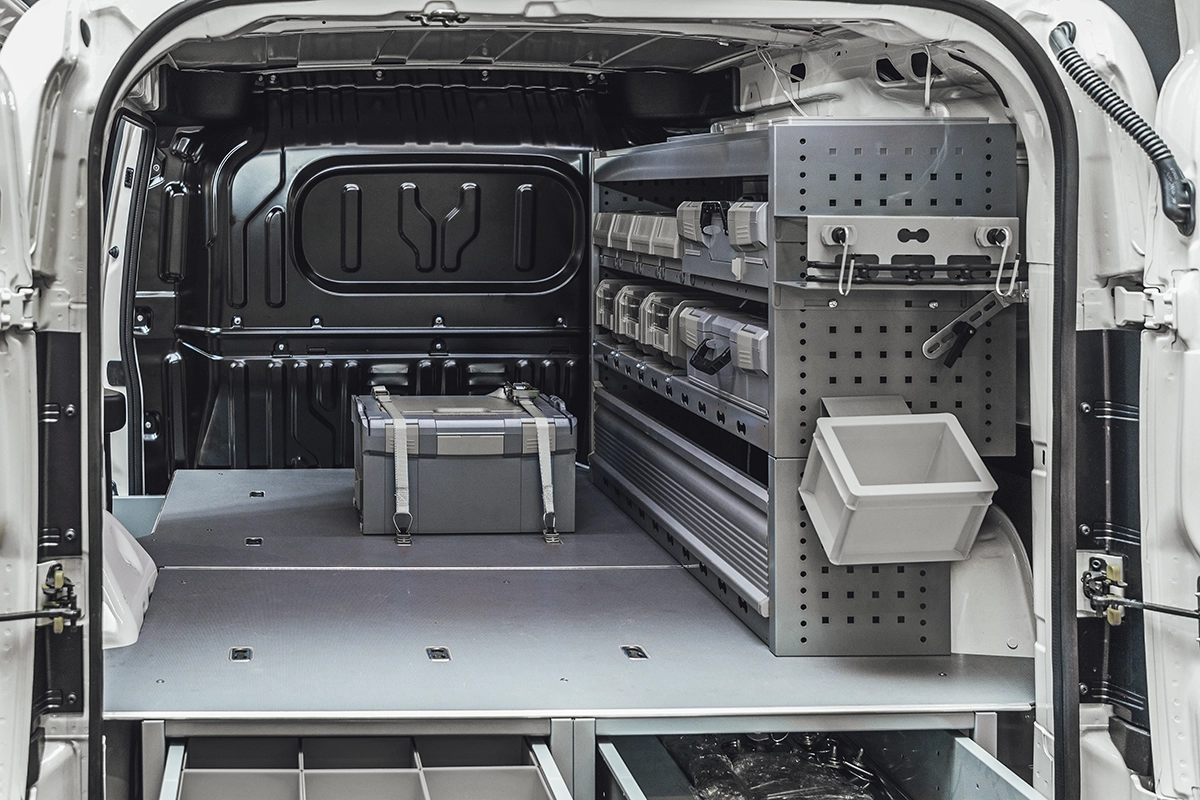
Fleet vehicles constantly face wear from loading and unloading equipment, road conditions, weather, and basic daily use. Without proper protective gear and cargo management accessories, they are more susceptible to damage that can shorten their lifespan and lead to costly repairs.
The right equipment can reduce wear and protect vehicles from damage. Some of the most valuable fleet-specific upgrades include:
- Ladder/Lumber Racks: Storing long, bulky materials on the roof instead of loose in the cargo area prevents shifting damage and frees up space.
- Toolboxes: Mounted toolboxes organize and secure your tools, preventing them from sliding around and causing damage in transit.
- Truck Bed Slides and Drawers: Custom organization systems keep gear organized in fixed positions, improving safety and preventing equipment shifts from wearing down the floors or walls.
- Protective Bed Liners: Spray-on bedliners create a durable, weatherproof barrier that shields your vehicles from impact, chemicals, and the elements.
- Floor Mats: Custom-molded floor mats protect cabin interiors from daily wear, debris, and moisture exposure.
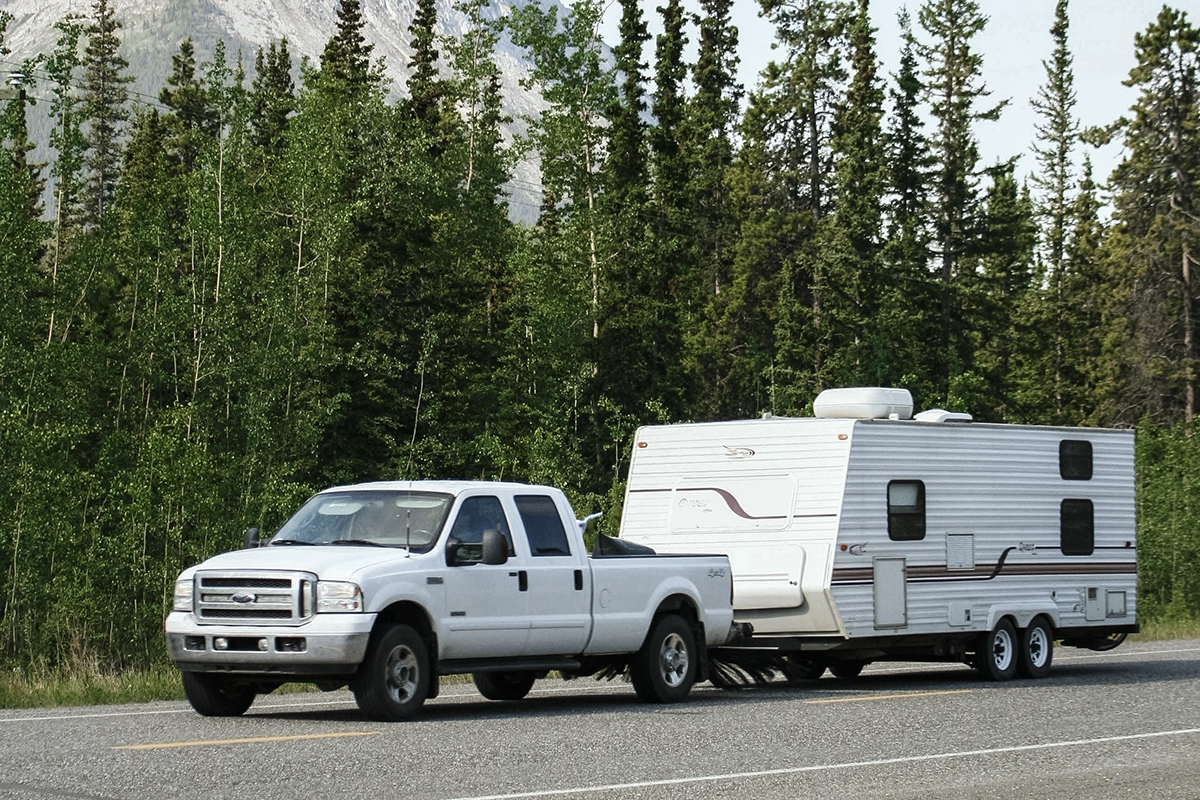
- Towing Equipment: Properly rated hitches and towing accessories create opportunities for better weight distribution and maximizing payload capacity.
- Storage Solutions: Get organized and maximize your fleet’s cargo space with professional, industry-specific storage solutions.
With the right protective gear in place, fleet vehicles are better equipped to handle daily demands without absorbing unnecessary wear and tear. This preserves the vehicle’s structure as well as its value when the time comes to rotate it out of your fleet.
6. Avoid Overloading Your Vehicles
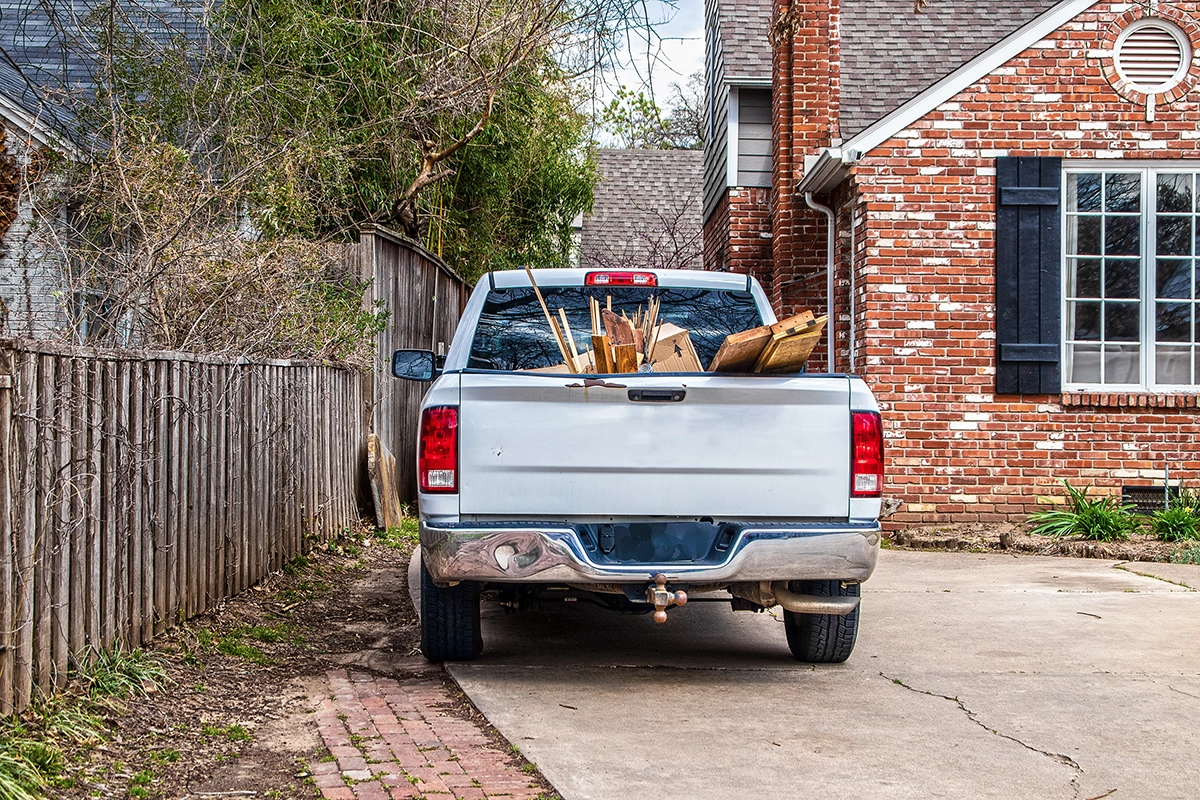
Vehicle overloading is one of the leading causes of premature wear for commercial fleets. Exceeding a vehicle’s payload capacity strains nearly every component, from the suspension system and brakes to the engine, tires, and more. Bulging tires, steering problems, braking and acceleration issues, and squeaky suspension are all signs that a vehicle is carrying too much.
The good news is that overloading is entirely preventable with the right approach. Most trucks and vans have a payload rating listed in the owner’s manual or on the driver’s side door jamb. Staying within safe limits and distributing weight evenly helps minimize strain and keeps your vehicles performing reliably for longer.
Keep Your Fleet On The Road Longer with Professional Upfitting by Campway’s
Extending the life of your commercial fleet centers around consistent maintenance, mindful driving habits, and the right protective upfits. But piecing together upgrades on your own can lead to inconsistencies or unintentionally using accessories that aren’t rated for commercial use.
Professional fleet upfitting ensures every vehicle gets the right mix of protection, storage, and safety upgrades that put longevity first. At Campway’s, we help fleet owners outfit their work trucks and vans with durable, commercial-grade accessories that handle the toughest demands of daily work. Our experts have the experience and equipment to ensure every upgrade is installed correctly and performs as expected, protecting your investments for years to come.
Contact us online or visit one of our Northern California locations to browse our selection and get expert installation services.
References
- Effects of rearview cameras and rear parking sensors on police-reported backing crashes. (n.d.). IIHS-HLDI Crash Testing and Highway Safety. https://www.iihs.org/research-areas/bibliography/ref/2130