TL;DR: What should be included in a recovery kit?
Recovery kits are a series of specialized tools and hardware used to safely extricate a stuck, stranded, or disabled vehicle while in off-road or overlanding environments. An overlanding recovery kit should include basic first aid gear, offline navigation tools, and equipment like traction boards, kinetic rope, a winch, recovery shackles, and more. In this guide, we list exactly what you need and explain how each item comes in handy when you’re stuck in the backcountry.
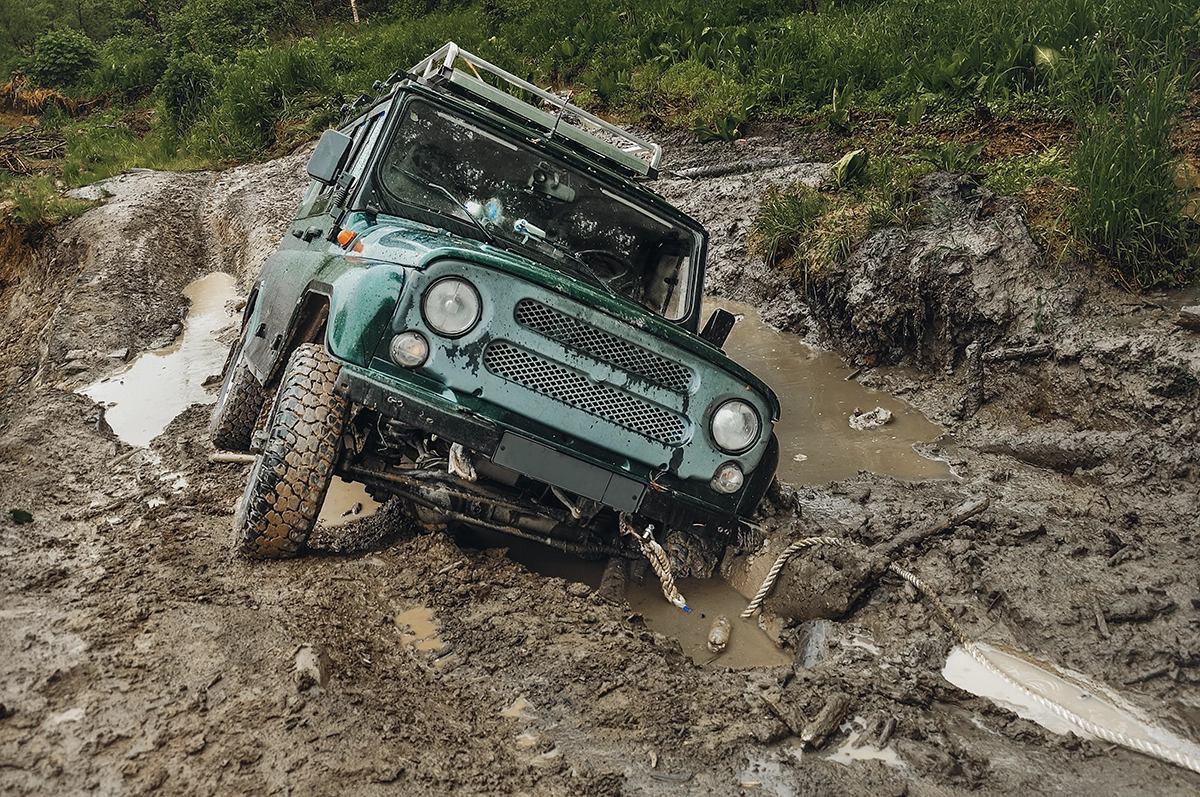
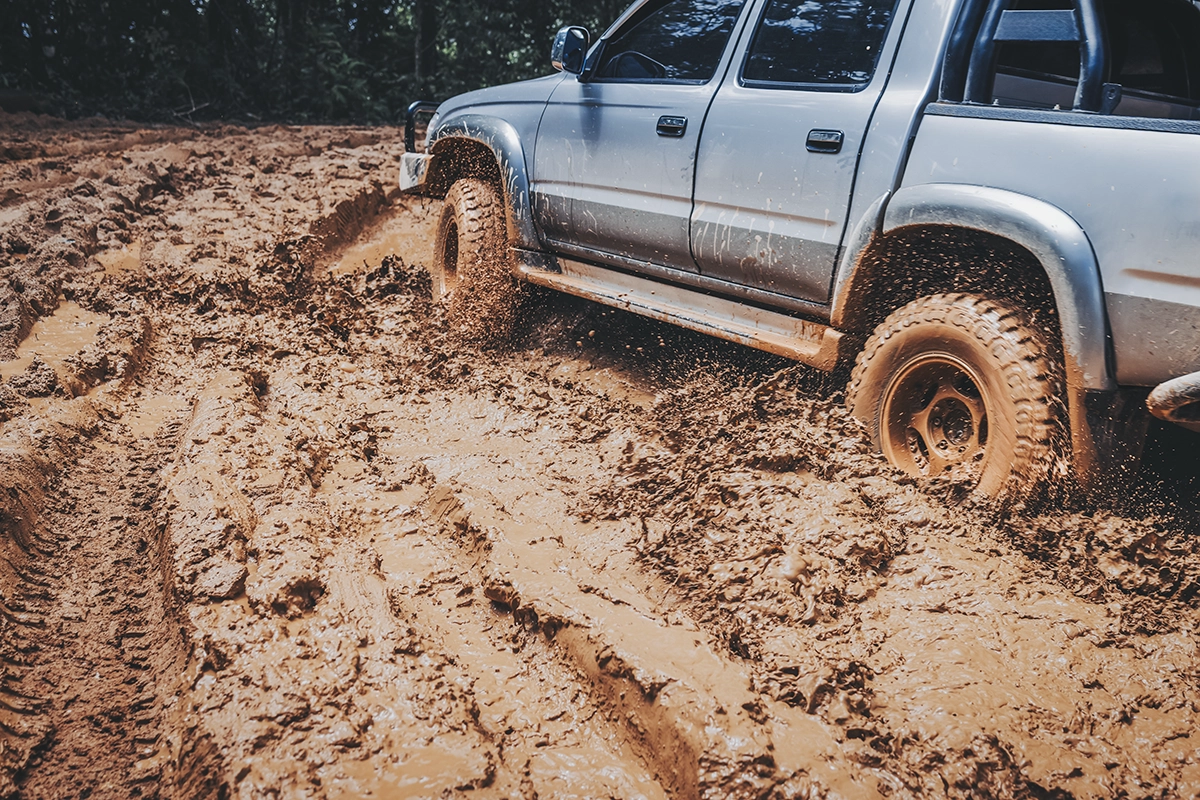
Seasoned overlanders know that getting stuck is hardly a matter of if, but when. Mud, sand, snow, loose rock, and other off-road terrain can bring even the most well-equipped rig to a full stop, and the last thing you want is to be stuck out in the backcountry without a way to pull yourself through.
That’s why recovery gear is essential for overlanders of all experience levels. Whether you’re hitting trails every weekend or just starting out, this guide breaks down the bare minimum recovery gear that every overlander needs to stay safe and overcome the obstacles Mother Nature throws your way.
Essential overlanding recovery gear checklist:
- Gloves, Shovel, and First Aid Kit >>>
- Power, Navigation, and Communication Systems >>>
- Tire Compressors and Repair Kits >>>
- Traction Boards >>>
- Kinetic Recovery Rope >>>
- A Winch and Mount >>>
- Snatch Blocks or Recovery Rings >>>
- Recovery Shackles >>>
- Tree Saver Straps >>>
- Tow Straps >>>
1. Gloves, Shovel, and First Aid Kit
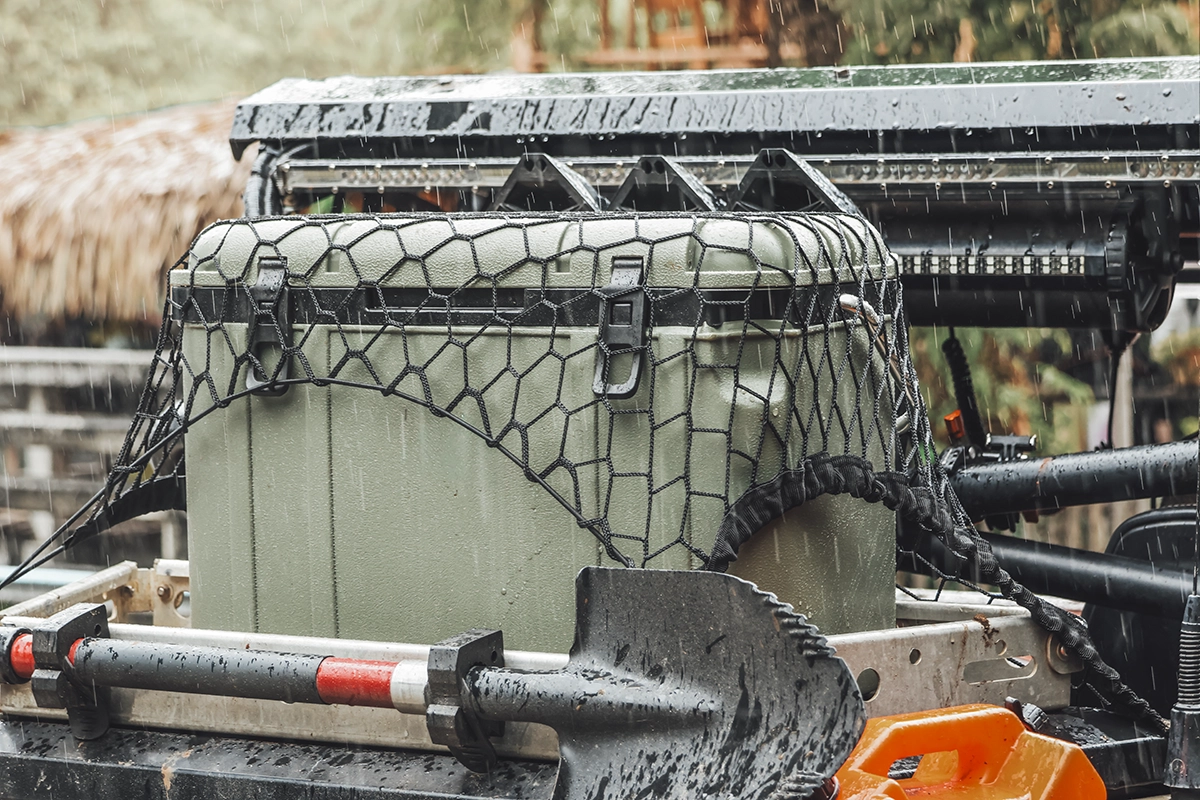
First and foremost, every recovery kit should include durable gloves, a shovel, and a first aid kit. These basics can make all the difference when navigating off-road terrain:
- Gloves: Bring a pair of recovery gloves or heavy-duty leather gloves with good grip to keep a stronger hold on recovery tools. This also helps minimize the risk of injuring your hands.
- Shovel: You can use a shovel to help dig out stuck tires, create ramps, or clear paths.
- First Aid Kit: A first aid kit packed with basic supplies like bandages, antiseptic wipes, antibiotic ointment, pain relievers, and antihistamines provides basic medical support in remote areas.
These basics help you handle minor mishaps, injuries, or digging on the spot. But if something more serious goes wrong, you’ll also need a reliable way to call for help.
2. Portable Power, Offline Navigation, and SOS Communication

When you’re far from cell service or the nearest town, having reliable power, offline navigation options, and communication devices can make all the difference in an emergency.
Every recovery kit should include these navigation and communication tools:
- Portable Power Station: A portable power generator is essential for keeping your electronics charged out in the backcountry, including phones, GPS devices, and satellite communicators.
- Offline Navigation: A pre-loaded, offline GPS uses satellites to track your exact location without needing a cellular signal. This digital map ensures you always know where you are in case of an emergency, so you can safely reverse your route if you hit a dead end or blocked pass. These topographic maps can also show steep climbs, water crossings, and elevation changes.
- Satellite Communicator: This is a handheld device that lets you send text messages and SOS alerts from anywhere without cell service. Some can even use satellite signals to check the weather, which is essential if you need to seek shelter from storms, lightning, or other conditions.
These tools can help you navigate unexpected situations, stay in contact when traditional communication fails, and keep critical devices running when you need them most.
3. Tire Compressors and Repair Kits
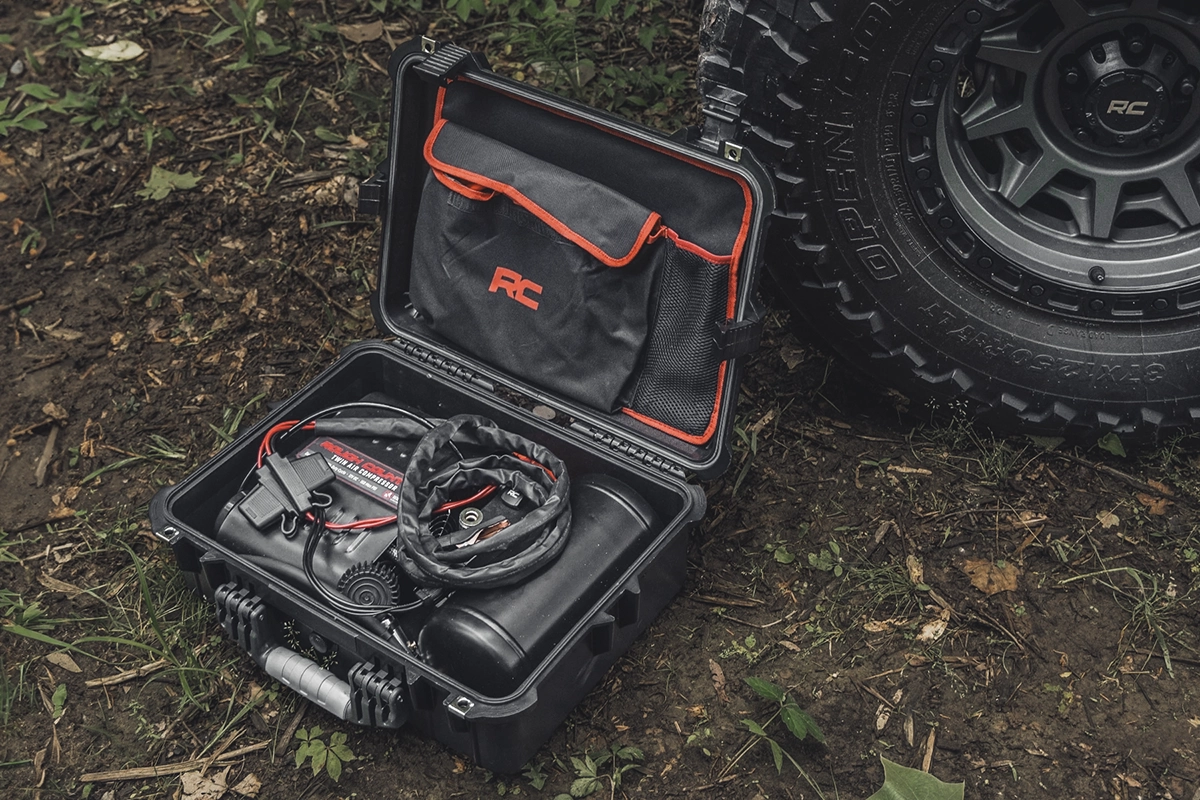
Your vehicle isn’t going anywhere without functioning tires. Tires can get worn or deflated especially out in the backcountry, so you’ll need to bring tire air compressors and repair kits to stay prepared:
- Tire Air Compressors: Reflates your tires back to standard pressure after off-roading, airing down, or fixing a leak.
- Tire Repair Kit: Fixes punctures on the trail, typically including a tire gauge, tire plugs, insertion tools, and a valve core tool.
- Tire Deflator: Quickly drops tire pressure to increase traction in soft terrain like sand, mud, and rocks.
With these tools, you can fix a tire in a pinch and get back on the trail as good as new.
4. Traction Boards
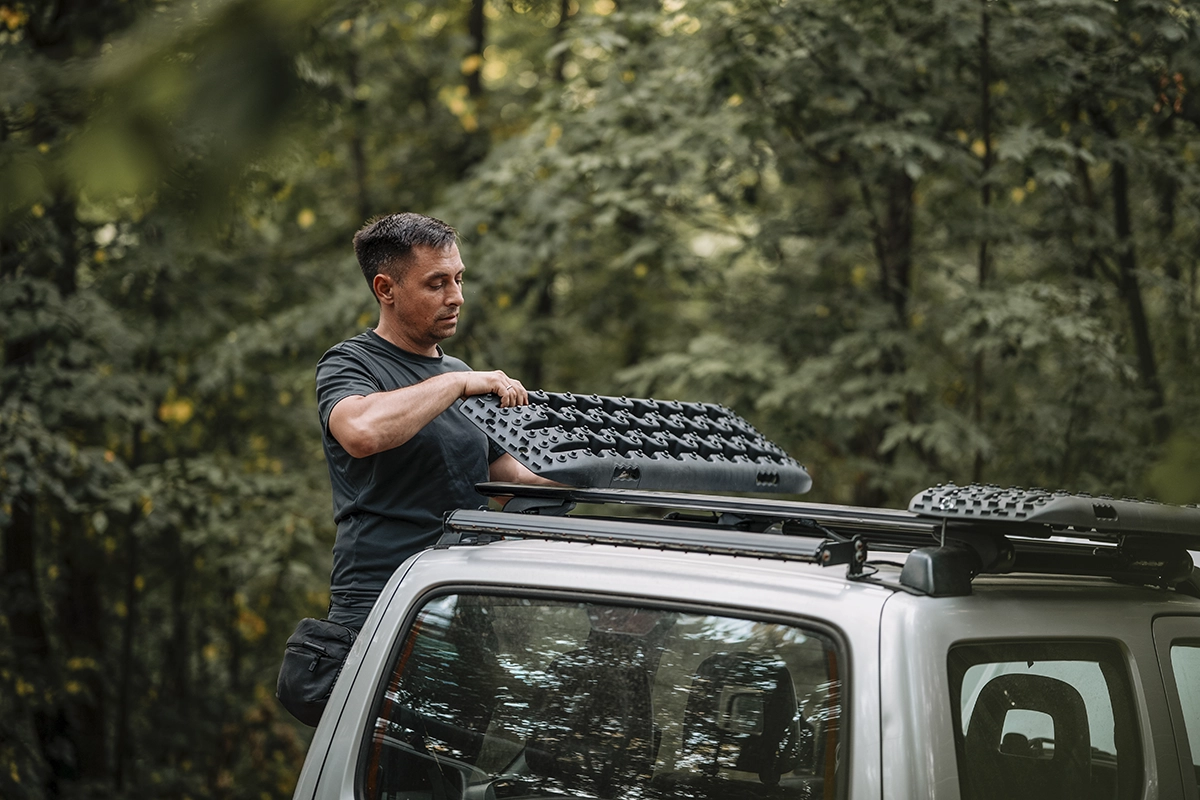
Traction boards are heavy-duty, textured mats that go under tires to give them something to grip in sand, mud, or snow. They are especially useful in wide-open terrain like dunes or beaches where there’s no anchoring point to safely winch from.
How Traction Boards Work
Traction boards have a raised texture that “bites” into the tire tread, giving the spinning wheel something solid to grip onto. The underside of the board digs into the ground, preventing the mat from sliding backward when you accelerate. This helps distribute the weight of the vehicle across soft surfaces like mud, sand, or snow, so your tires stop sinking deeper.
Keeping a set of traction boards mounted to your roof rack or tailgate means they are always in reach when you need them.
5. Kinetic Recovery Rope
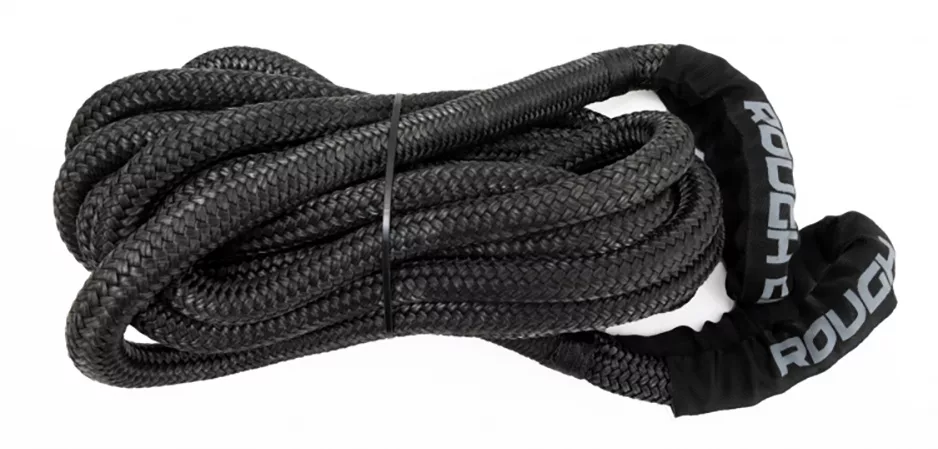
Kinetic recovery rope is one of the fastest, smoothest, and safest ways to get a stuck vehicle moving again. It’s made from a durable and stretchy material that helps pull a vehicle free when it’s stuck in mud, sand, snow, or other terrain.
How Kinetic Recovery Rope Works:
- Stretching Builds Energy: When the rescue vehicle moves forward, the kinetic rope stretches, building and storing energy in the rope itself.
- Energy Releases: Once pulled to its limit, the rope snaps back toward its normal length, releasing that stored energy in a smooth, powerful force that pulls the stuck vehicle free.
- The Recovery Vehicle Takes Over: After the rope snap breaks the suction and unsticks the vehicle, the recovery vehicle keeps moving forward to pull it all the way out.
- Elasticity Provides Controlled Force: The rope’s ability to stretch acts like a shock absorber, spreading the force out and reducing the shock load placed on both vehicles and their recovery points.
Choosing the right kinetic rope for your vehicle is important for a safe and effective recovery. Look for a rope with an appropriate rating for your vehicle’s weight and pair it with properly rated recovery points and soft shackles.
6. A Winch
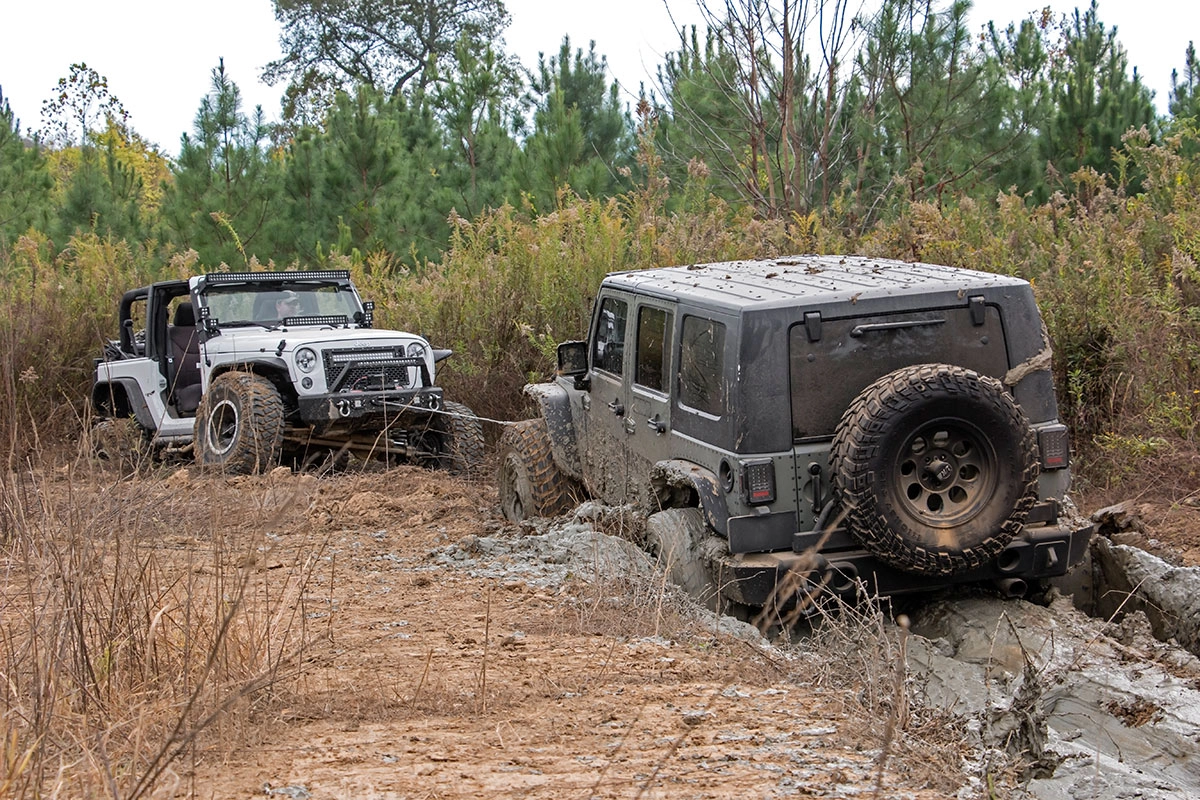
A winch is a motorized cabling device designed to pull a vehicle out when it’s stuck in mud, sand, a ditch, or other challenging terrain. This is an essential tool for getting unstuck, especially for solo trips when there isn’t another vehicle around to help pull you out.
To install a winch, you’ll need a way to mount it on your vehicle. There are several winch mounting options to choose from:
- Hidden Winch Bumper: Sits discreetly beneath your factory front bumper, without any cutting or drilling necessary.
- Front Winch Bumper: Replaces your factory bumper with a heavy-duty protective bumper that the winch secures to.
- Winch Mounting Plate: A heavy-duty steel plate that attaches to your vehicle’s frame and holds the winch in place, without the need for a new bumper.
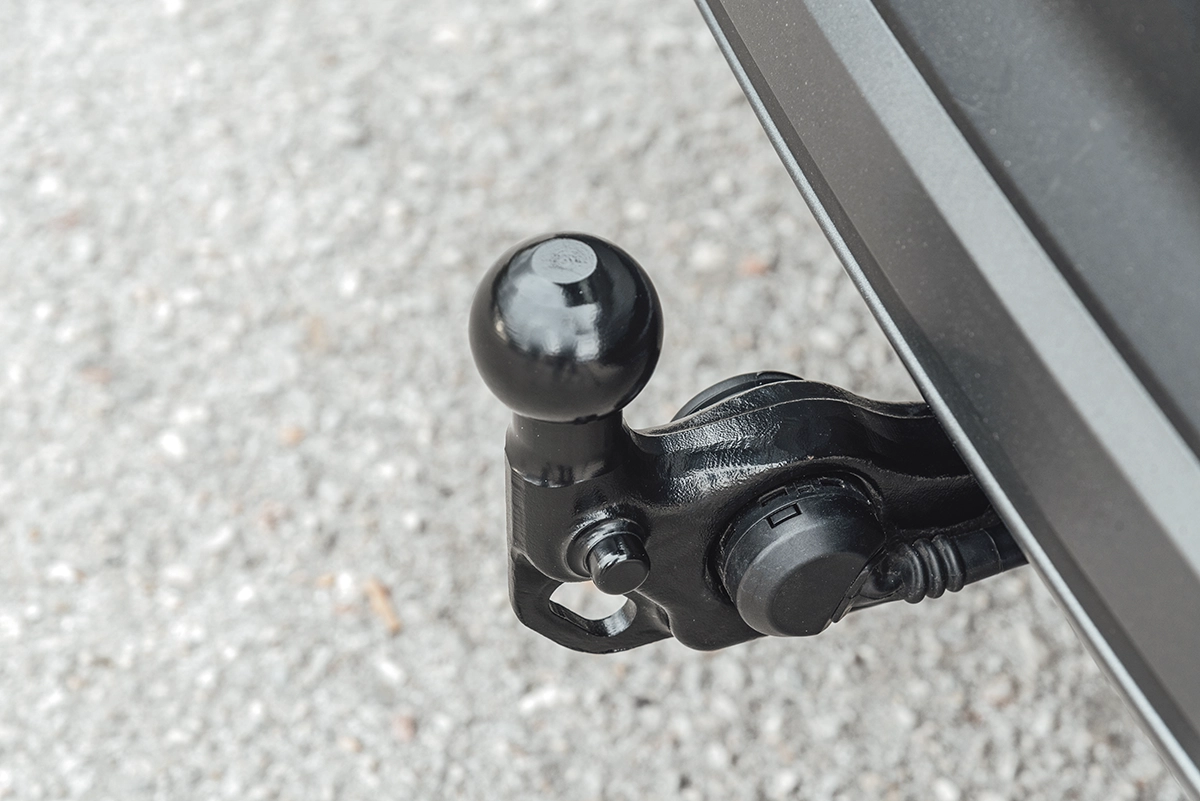
- Receiver Hitch Mount: Fits into your vehicle’s trailer hitch receiver, which you can add and remove as needed.
Winches can come with either synthetic cable, which is light and easy to handle, or steel cable, which offers more strength but added front-end weight. Whichever you choose, make sure your winch is rated to handle at least 1.5 to 2x your vehicle’s Gross Vehicle Weight Rating (GVWR).
7. Snatch Blocks or Recovery Rings
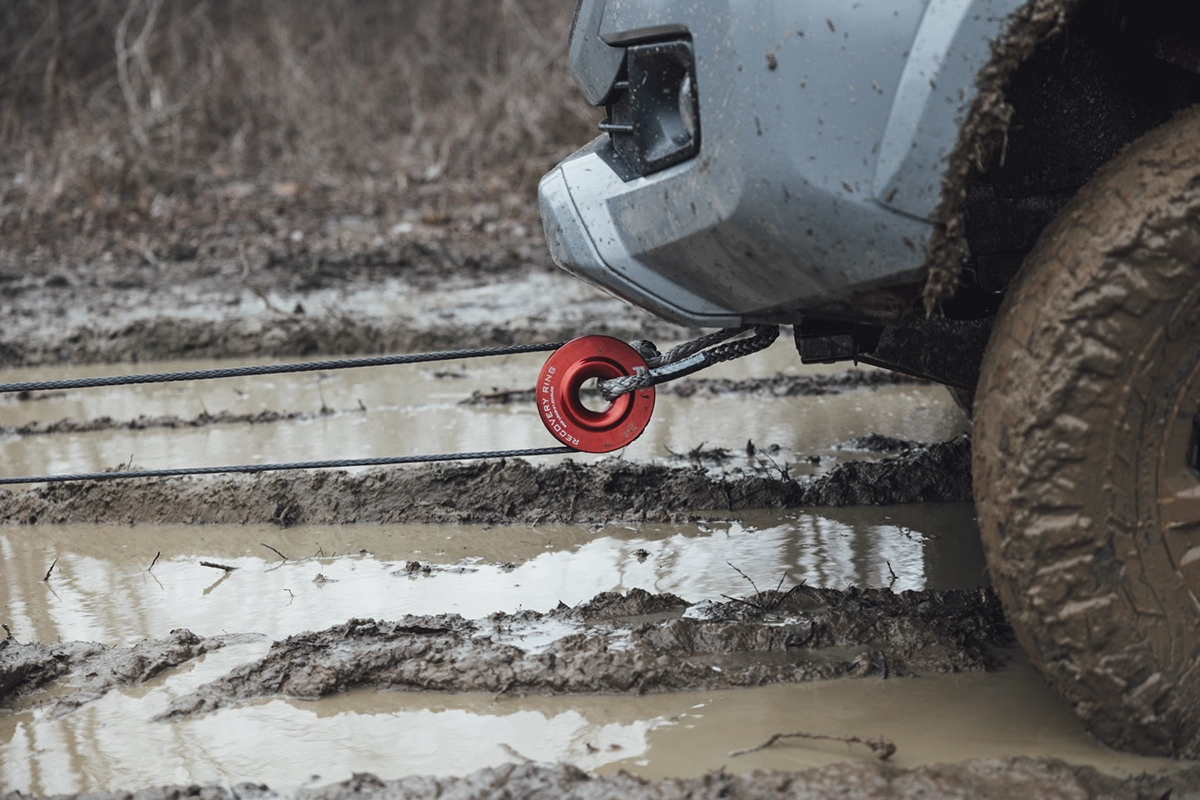
A snatch block or recovery ring can make a huge difference when you need to winch your way out of a tough spot. These recovery tools can change the direction of the winch line, increase pulling power, and help you work around obstacles without putting unnecessary strain on your equipment.
- Snatch Block: A snatch block uses a moving wheel (sheave) on a bearing to roll with the line. They can typically be used with both steel and synthetic winch lines to redirect them and increase pulling power.
- Recovery Ring (Donut): A recovery ring is a stationary metal donut that relies on the slick texture of a synthetic winch line to glide over it. For this reason, it can only be used with synthetic winch rope to redirect it while reducing friction and weight.
Which option you choose depends on the winch line you’re using, your maintenance preferences, and some other considerations. Make sure to choose one with a working load limit appropriate for your winch.
8. Recovery Shackles
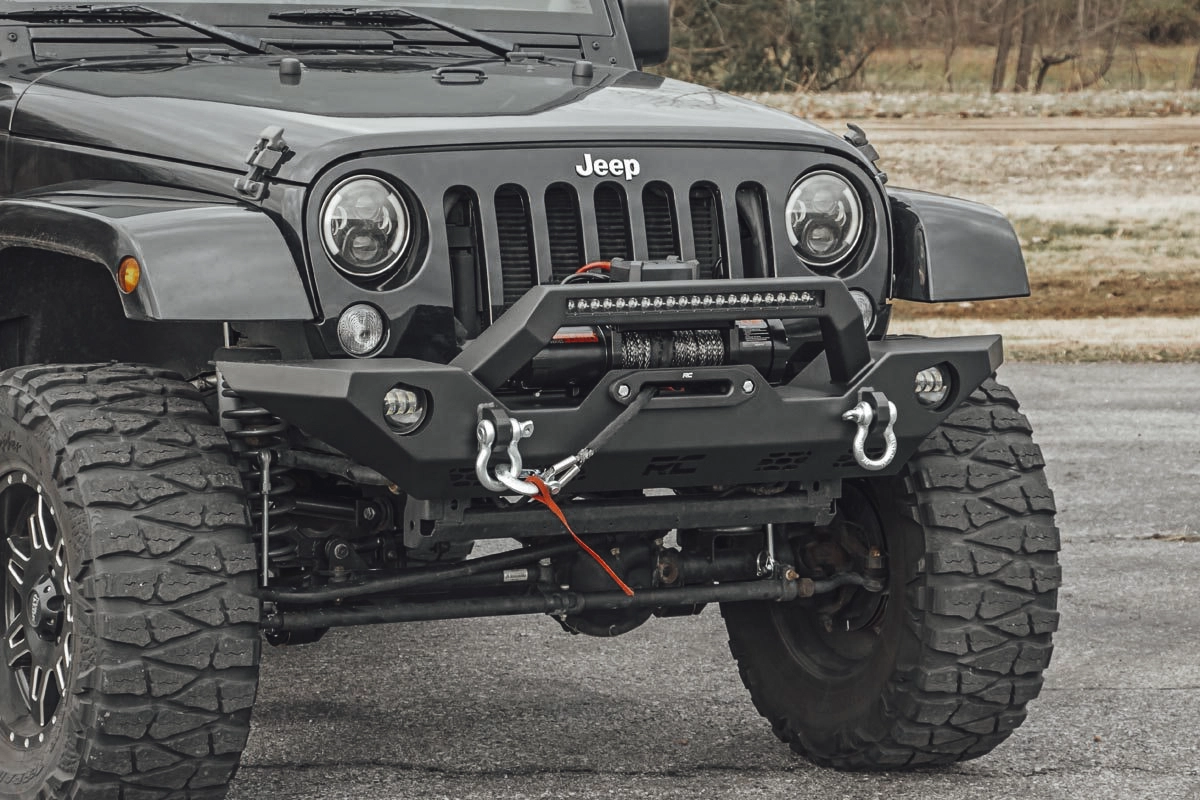
Recovery shackles are used to connect recovery equipment, such as kinetic recovery rope, winch lines, or tow straps, to a vehicle’s recovery points. Their main purpose is to create a secure link that can handle the force required to pull and extract a stuck vehicle.
There are two main types of recovery shackles:
- D-Ring Shackles: Rigid metal shackles with a removable pin that opens the shackle so recovery gear can be attached and securely connected to a vehicle’s recovery points.
- Soft Shackles: Flexible, lightweight shackles made from synthetic rope that connect recovery equipment to vehicle recovery points.
Choosing the right recovery shackle depends on what works best with your vehicle and recovery setup. Whichever type you choose, make sure they are rated to be used with your other recovery equipment to ensure it can handle the job effectively.
9. Tree Saver Straps
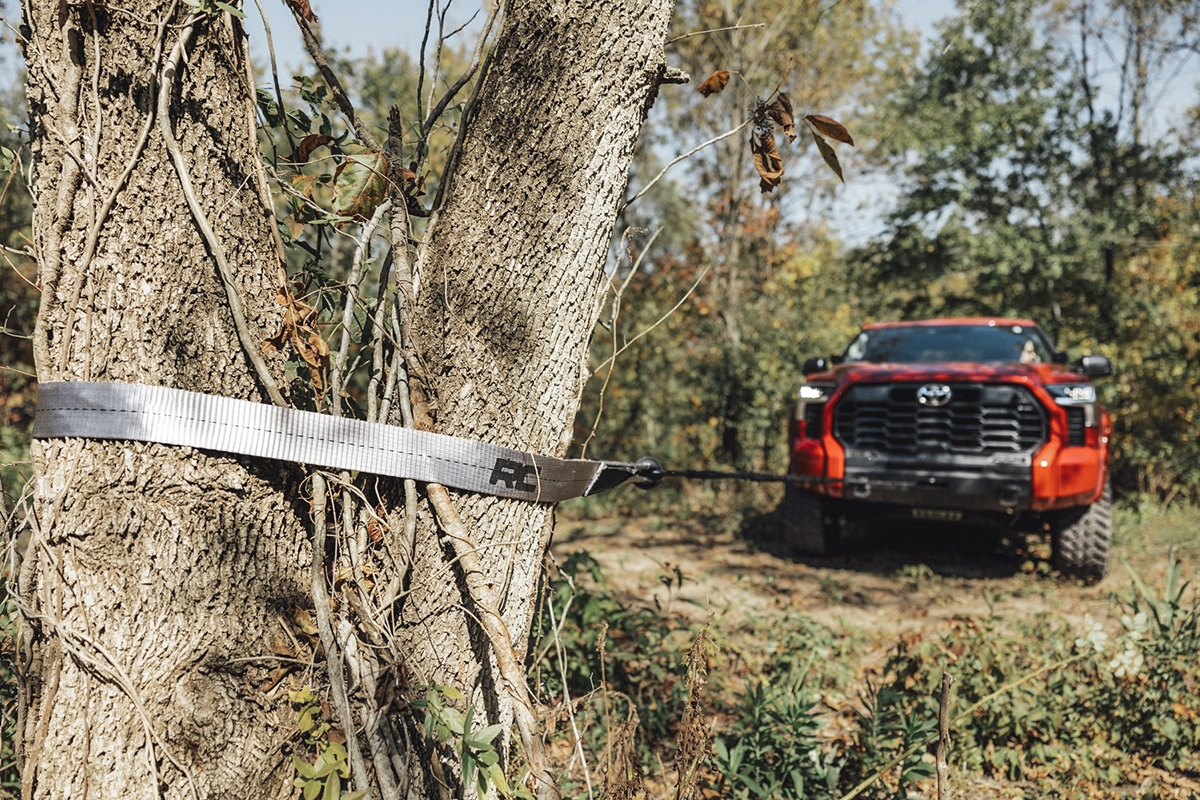
Tree saver straps are wide, durable straps designed to provide a secure anchor point around a tree when using a winch for vehicle recovery. They evenly distribute pull force to protect the tree from damage and create a stronger anchor point.
A tree saver strap is an essential piece of recovery gear if you use a winch, especially if traveling in wooded or remote areas where natural anchor points may be your best recovery option. Make sure to choose a properly rated strap with enough length to safely and effectively wrap around the trees you’re likely to encounter.
10. Tow Straps
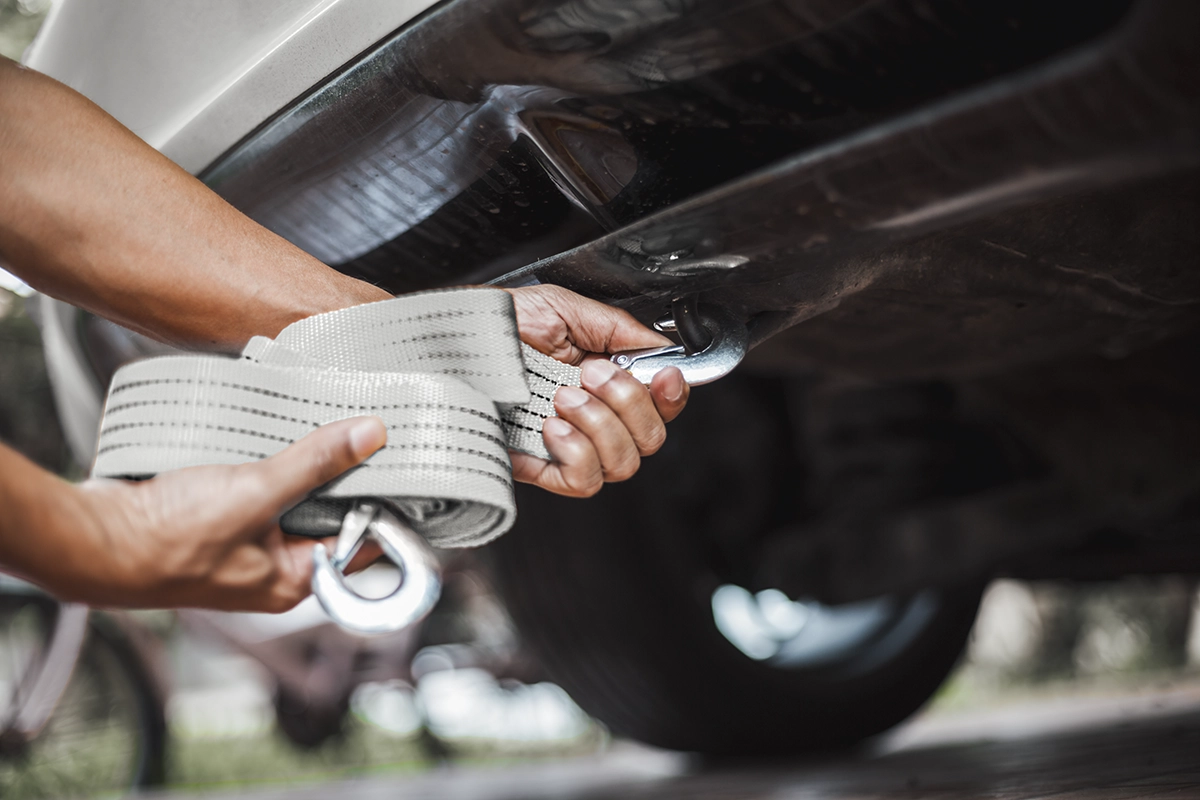
A tow strap is a heavy-duty strap that attaches a tow vehicle to a disabled vehicle to pull it to a safe location. These straps are purposefully designed to have minimal stretch to allow for a steady, controlled tow. It can be invaluable when you’re dealing with an overheated engine, a dead battery, or a flat tire.
Tow straps allow you to pull a free-rolling vehicle at low speeds, across short distances with the goal of reaching a safe staging area or public road so it can be professionally towed either back home or to a mechanic.
Do not use a tow strap if the disabled vehicle cannot roll freely or be safely controlled during the tow. Do not use a tow strap if the vehicle has seized brakes, a broken axle, severe suspension damage, or any other issue that prevents the wheels from turning. In those cases, the vehicle should be professionally transported.
Shop Recovery Gear and Overlanding Essentials at Campway’s
Campway’s is proud to be your one-stop shop for all your overlanding needs. From essential recovery gear to upgrades that improve comfort and performance, we have everything you need to explore the road less traveled. We also offer professional installation services for every product and accessory we sell.
Ready to take your overlanding rig to the next level? Shop our entire catalog of off-road and overlanding accessories online or visit the location nearest you.